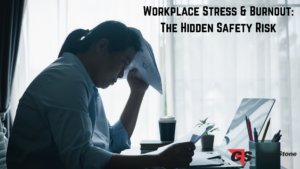

Workplace Stress & Burnout: The Hidden Safety Risk

Stress isn’t just an emotional issue — it’s a safety issue. Fatigue, distraction, reduced reaction time, and poor decision-making all increase accident risk. Encourage employees to recognize early signs of burnout: irritability, trouble focusing, headaches, sleep struggles, or feeling overwhelmed. Simple habits like deep breathing, short breaks, and organized task lists help manage stress. A… Read more »

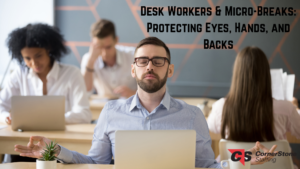
Desk Workers & Micro-Breaks: Protecting Eyes, Hands, and Backs

Long hours at a desk can take a toll on the body. Without breaks, employees may experience eye strain, headaches, wrist discomfort, and back pain. Micro-breaks are key. The 20-20-20 rule helps reduce eye strain: every 20 minutes, look at something 20 feet away for 20 seconds. Encourage workers to stretch wrists, roll shoulders, stand… Read more »

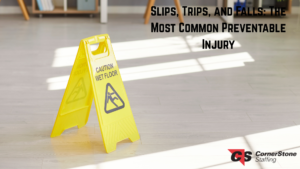
Slips, Trips, and Falls: The Most Common Preventable Injury

Slips, trips, and falls are consistently one of the leading causes of workplace injuries. The good news? Most are easily preventable. Employees should stay alert to wet floors, cords, cluttered walkways, uneven flooring, and open drawers. Footwear with good traction helps reduce risks. Encourage the “Eyes Up” rule — avoid walking while looking at phones… Read more »

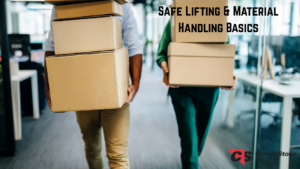
Safe Lifting & Material Handling Basics

Even in office environments, employees may occasionally lift boxes or move supplies. Improper lifting is one of the most common causes of workplace injuries — but also one of the most preventable. Employees should start by assessing the load: Is it too heavy? Too large? When in doubt, they should ask for help or use… Read more »

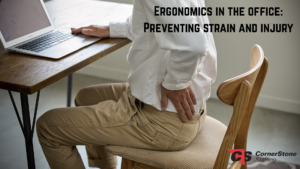
Ergonomics in the Office: Preventing Strain and Injury

Whether employees work at home or on-site, ergonomic setup plays a huge role in preventing long-term strain and injury. Poor posture, incorrect chair height, and repetitive motions can lead to back pain, neck stiffness, headaches, and wrist issues. Luckily, most ergonomic improvements are simple and highly effective. Start with chair and desk height. Feet should… Read more »

The Importance of Ergonomics

Introduction What is ergonomics and how does it influence us in the office? Ergonomics is the study of the relationship between people, their work and their environments. The goal of an ergonomic assessment of your workstation is to help the body move in natural ways and reduce stressors that might cause damage and pain. Causes… Read more »

Safety Tips for Teen Drivers and Their Parents

Handing a teenager their first set of car keys can carry significant risks. In fact, recent research from the Centers for Disease Control and Prevention found that drivers ages 16–19 are more likely to be involved in a motor vehicle crash than any other age group. Nevertheless, newly licensed teens and their parents can work… Read more »

Creative Ways to Take More Steps

Walking is one of the most accessible forms of exercise. Its benefits extend beyond physical health, as it can also boost your mood and help with mental clarity. Whether new to fitness or just looking to increase your daily movement, walking offers an easy and effective way to improve your well-being. However, finding the time… Read more »

Technology Safety Matters

Keeping Safety in Mind at the Office Although an office may not be as dangerous as a manufacturing factory floor, on-the-job accidents still happen and can cause potentially serious injuries. Be aware of the possible workplace hazards you face. If you take the necessary precautions to prevent incidents it can save you both pain and… Read more »

Smart Lifting

Employees can injure themselves while lifting in many ways, such as lifting heavy objects alone, using bad form, reaching awkwardly or lifting repeatedly throughout the day. Improper lifting can lead to serious injuries like muscle strains, sprains and even disc problems in your back. These injuries can cause pain, lost wages and even long-term health… Read more »