
Fire Prevention & Emergency Preparedness

Fire safety requires awareness and preparedness. Employees should know where extinguishers and exit routes are located. Hazards such as overloaded outlets, clutter near heat sources, or malfunctioning equipment should be reported immediately. Emergency drills ensure workers know how to react quickly in a real event. Clear pathways and properly marked exits save lives.


Preventing Workplace Violence & Basic De-Escalation Tips

Workplace violence includes verbal aggression, intimidation, threats, and physical altercations. Early recognition is crucial. Employees should stay calm, maintain non-confrontational body language, and give agitated individuals personal space. They should never physically intervene — instead, notify supervisors or security immediately. A culture of reporting and speaking up can prevent incidents before they escalate.

Commuting & Parking Lot Safety

Many workplace injuries happen before employees even enter the building. Workers should stay alert while walking to their vehicles — no texting or wearing headphones that block surrounding sounds. In rainy or icy conditions, smaller steps and slip-resistant footwear reduce fall risks. If lighting is poor, encourage employees to walk with a buddy or request… Read more »

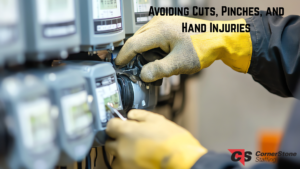
Avoiding Cuts, Pinches, and Hand Injuries

Even low-risk environments have opportunities for hand injuries. Envelopes, box cutters, machinery, file cabinets, and even doors can cause cuts or pinches. Employees should use tools correctly — no improvising with scissors or dull blades. Proper cutting direction and attention help prevent lacerations. In light industrial or mailroom settings, gloves may be needed. Training workers… Read more »

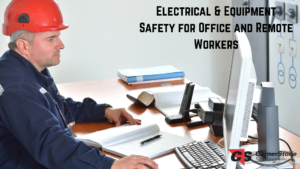
Electrical & Equipment Safety for Office and Remote Workers

Electrical safety is often overlooked, but small hazards can create major risks. Workers should inspect cords regularly — frayed or hot cables should be replaced immediately. Space heaters must be used safely and kept away from fabric or paper. Extension cords should never be used long-term. Remote employees should avoid overloading outlets or chaining multiple… Read more »

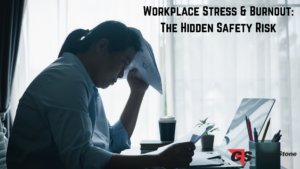
Workplace Stress & Burnout: The Hidden Safety Risk

Stress isn’t just an emotional issue — it’s a safety issue. Fatigue, distraction, reduced reaction time, and poor decision-making all increase accident risk. Encourage employees to recognize early signs of burnout: irritability, trouble focusing, headaches, sleep struggles, or feeling overwhelmed. Simple habits like deep breathing, short breaks, and organized task lists help manage stress. A… Read more »

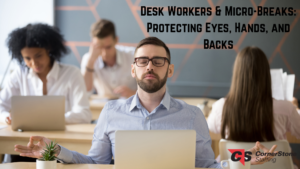
Desk Workers & Micro-Breaks: Protecting Eyes, Hands, and Backs

Long hours at a desk can take a toll on the body. Without breaks, employees may experience eye strain, headaches, wrist discomfort, and back pain. Micro-breaks are key. The 20-20-20 rule helps reduce eye strain: every 20 minutes, look at something 20 feet away for 20 seconds. Encourage workers to stretch wrists, roll shoulders, stand… Read more »

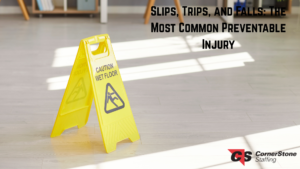
Slips, Trips, and Falls: The Most Common Preventable Injury

Slips, trips, and falls are consistently one of the leading causes of workplace injuries. The good news? Most are easily preventable. Employees should stay alert to wet floors, cords, cluttered walkways, uneven flooring, and open drawers. Footwear with good traction helps reduce risks. Encourage the “Eyes Up” rule — avoid walking while looking at phones… Read more »

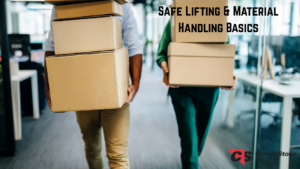
Safe Lifting & Material Handling Basics

Even in office environments, employees may occasionally lift boxes or move supplies. Improper lifting is one of the most common causes of workplace injuries — but also one of the most preventable. Employees should start by assessing the load: Is it too heavy? Too large? When in doubt, they should ask for help or use… Read more »

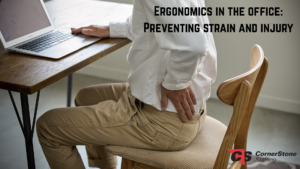
Ergonomics in the Office: Preventing Strain and Injury

Whether employees work at home or on-site, ergonomic setup plays a huge role in preventing long-term strain and injury. Poor posture, incorrect chair height, and repetitive motions can lead to back pain, neck stiffness, headaches, and wrist issues. Luckily, most ergonomic improvements are simple and highly effective. Start with chair and desk height. Feet should… Read more »